










Lost luggage: why does it happen at all?
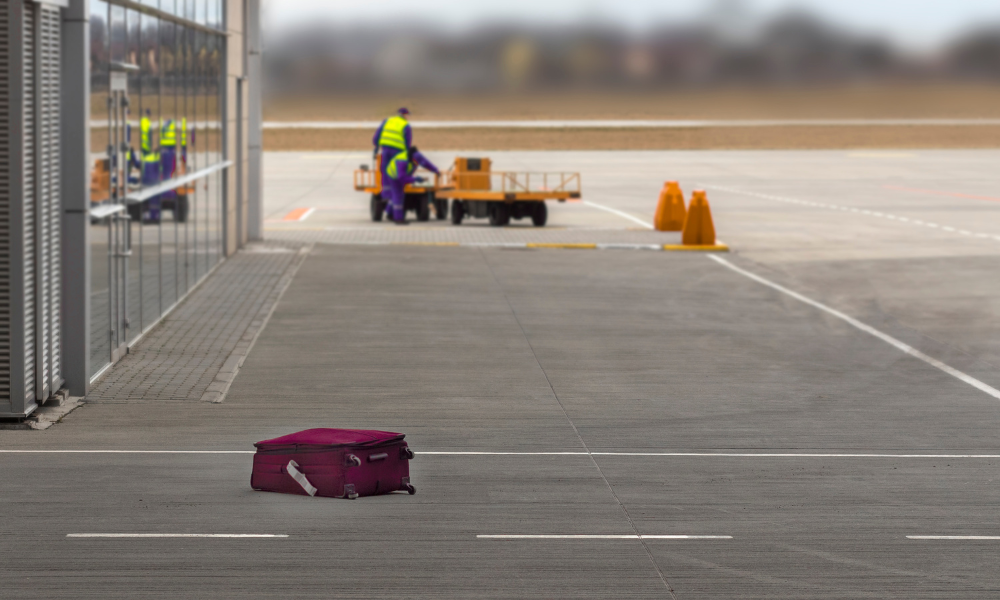
A lost suitcase is one of the biggest stress factors when travelling. According to an airline report, in 2023 there was an average of 10.6 baggage incidents per 1,000 passengers in Europe – mostly because suitcases were not forwarded correctly when being transferred between connecting flights. But even on direct flights a suitcase can arrive late or not at all. The good news: many suitcases turn up again after a short time.
React immediately and stay calm
Even if the initial shock is great – staying calm helps. Directly after landing, go to the airline’s lost & found desk and fill in the so-called Property Irregularity Report (PIR). It records a description of the luggage, your contact details and flight information. It is important to keep the reference number safe, because it lets you track the status of your suitcase online at any time – for example via WorldTracer.
Replacement purchases and compensation
If your suitcase is missing at your destination, airlines usually cover the cost of necessary replacement purchases such as toiletries or clothing. The rule is: collect receipts and inform the airline as quickly as possible. On package holidays, you should also contact the tour operator. Damage to luggage must be reported within 7 days, a loss within 21 days at the latest. If the suitcase is still not found after that, it is officially considered lost – travellers can then claim compensation under the Montreal Convention, usually up to around 1,600 euros.
Technology as a helper: trackers in your luggage
Digital tools such as AirTags or GPS trackers have proven a real relief for many travellers. They let you follow your suitcase’s location on your smartphone and, if in doubt, prove more quickly where it is. For the technology to work well, old luggage tags should definitely be removed to avoid mix-ups or even misuse. Especially important: tags with QR or barcodes often contain personal data – so only dispose of them at home, not in the terminal.
Practical tips for an emergency
Small tricks can also noticeably reduce the stress in an emergency. Sometimes luggage simply ends up on the wrong belt – a quick look at the neighbouring carousels can help. It also makes sense to take photos of your suitcase before departure. They make identification easier for airline staff and can later be useful for insurance or compensation claims. Using several trackers further increases the chance of finding your luggage quickly. And last but not least: friendliness towards staff pays off – if you stay cooperative, you usually get help faster.
Follow-up: how to stay informed and prepared
Besides your first reaction, follow-up matters too. Always keep the PIR number to hand and use it in every communication with the airline. Put deadlines in your calendar so you don’t miss any claims. Trackers are helpful but no substitute for official reports – they only serve as orientation. If you keep your documents in order, save photos of your luggage and remind the airline politely but firmly to process your case, you will stay much more relaxed and have better chances of getting your suitcase back or receiving compensation in the end.
Conclusion: suitcase gone? No reason to panic
Whether delayed or lost – with the right strategy you stay relaxed. React quickly, keep receipts, meet deadlines, use technology and keep at it – that’s how you increase the chance of getting your suitcase back quickly. And if it really stays lost, you are entitled to clear compensation. With a little preparation, even a mishap like this at the airport becomes manageable – and your holiday still goes on.
FAQ – Lost suitcase
Report it to lost & found immediately, fill in the PIR report, keep the reference number.
Damage: 7 days. Loss: 21 days.
Up to approx. €1,600 under the Montreal Convention + replacement purchases (keep receipts).
A form at the airport, required for any claims.
Use AirTags or GPS trackers, take photos of your suitcase.
The airline, and on package holidays also the tour operator.
Yes, necessary purchases are reimbursed by the airline (keep receipts).
Photos, trackers, use carry-on luggage, note deadlines.