







TRAVEL SAFELY – WITH THE TSA COMBINATION LOCK
Lost Luggage
In 2009, around 25 million bags were reported missing at airports worldwide. SITA, the aviation data specialist, estimated this cost airlines about 2.5 billion dollars per year. Most mistakes happen during transfers: 52% of bags are placed on the wrong conveyor belt or cart, and 16% never leave the departure airport at all. As a result, 30 travelers wait on average 1.7 days for their bags—which can be delayed or, in rare cases, never found, left unclaimed, or stolen.
Rest assured, over 95% of lost bags are located and returned within five days of reporting. Your chances of getting your luggage back are very good.
What to Do If Your Luggage Is Lost
- Report immediately—before customs—to “Lost and Found” or “Baggage Claim” in the arrivals hall. You’ll usually find these near the baggage carousel.
- The staff will ask for your ticket, which has baggage tags with each bag’s tracking number attached when you checked in.
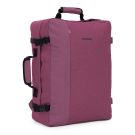
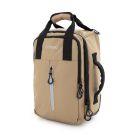
- Describe your bag as precisely as possible. Photos of your bag type or of common luggage styles can help.
- If important items are missing—e.g., wedding attire—explain this and request priority handling.
- You’ll receive a reference number and must provide your exact address and phone number. Don’t forget to share your lock combination if asked, since security may check it.
- Get the service hotline number so you can call for status updates or to change your travel plans (e.g., hotel changes), in case you’ve already moved on when your bag arrives.
- If your airline does not supply basic toiletries, purchase essentials yourself—these are typically reimbursed fully. Clothing reimbursement usually applies only if delivery is delayed by several days.
- Rent items you can’t use without your bag—such as dive gear, skis, or golf clubs—and submit the invoice to the airline for reimbursement.
- Always stay polite when dealing with the airline. Mistakes happen, and calm, factual communication usually achieves the best results.
- If you’re lucky, your bag may arrive the same day and be delivered free to your door. For delivery of found luggage, all non-local passengers (who can’t provide a home address) are prioritized.
What to Wear
If you don’t live near your arrival airport, you’ll lack clothes and toiletries. Airlines handle this differently. Report missing items immediately and ask what they will provide.
Generally, you may obtain only the essentials—this doesn’t mean a full shopping spree. Coverage is limited by each airline’s internal “reasonableness” policy, with cost-saving in mind.
Your ticket class and fare determine how generous the airline will be. Economy passengers rarely get clothing allowances; first-class or frequent flyers receive more generous treatment.
British Airways and American Airlines provide an “overnight kit” with basic toiletries and underwear. Lufthansa supplies toiletries as well.
American Airlines may also issue meal and hotel vouchers if needed, but not clothing allowances.
Air France, Lufthansa, and Thai Airways allow necessary purchases at the airline’s expense, but within limits: Air France reimburses 100% of toiletries and 50% of clothing; Lufthansa advances up to €25/€100/€200 by class (reimbursing toiletries at 100% and clothing at 50% once your bag is found); Thai Airways covers toiletries and clothing within “reasonable” limits—found items can be kept but half the cost must be borne by the passenger, or items returned.
Claim for Permanent Loss
If an airline officially deems your bag lost, compensation procedures vary by carrier. However, all airlines must adhere to the Montreal Convention (2004), which replaced the 1929 Warsaw Convention. The key change: compensation is now flat-rate rather than weight-based.
After five days of unsuccessful searches, you complete a detailed form listing your bag’s contents and their value. Air France and Thai Airways send this form after 72 hours; British Airways after 120 hours.
Ideally, compensation is paid within 30 days of filing. Under the Montreal Convention, you receive 1,131 Special Drawing Rights (approximately €1,200) per lost, damaged, or delayed piece of checked baggage.
Preventing the Risk of Luggage Loss
The more connections you make, the higher the risk of lost bags. Nonstop flights rarely lose luggage. Major hubs—London-Heathrow, Paris-CDG, Frankfurt, Singapore, New York-JFK—see the most mishandling due to high volumes and transfers.
Therefore:
- Whenever feasible (and affordable), fly nonstop from A to B.
- Label your luggage with your home address.
- Pack all valuables (laptop, phone, documents, camera, jewelry) in your carry-on.
- If you have connections, bring essential toiletries and spare underwear on board.
- Remove old baggage tags before checking in.
- Check in early—checked bags undergo security screening that can delay check-in if items appear suspicious.
- Make your luggage distinctive (tags, ribbons, stickers) so it’s easy to spot.
- If traveling with others, consider swapping a few clothing items among yourselves so everyone has backups.
- Purchase a local SIM card—especially in Asia—to stay in touch with Lost & Found or the airline as you may need frequent updates.

Fast shipping within 3 days
Fast shipping worldwide
Free within Germany for orders over €100.

Up to 5 Years Warranty
Valid worldwide from the date of purchase.

Returns
Return at your own cost is possible within the withdrawal period.

Secure Cart
All transactions are encrypted with SSL (Secure Socket Layer) technology.

Amazing Discounts
Create your custom luggage set and save on each additional suitcase.

Hotline
+49 (0) 30.634 134 14
Mon. – Fri.: 9:00 AM – 12:30 PM
2:00 PM – 6:00 PM